Cavity Closers
Subframes UK is the UK’s largest supplier of welded and mechanically jointed cavity closers, supplying trade customers from a 30,000 sq ft manufacturing facility in Tibshelf, Derbyshire. As approved fabricators for Cavalok, Dacatie, Kingspan and Timloc, we supply BBA-certified cavity closers across the full size range from 50 mm to 300 mm with daily nationwide delivery.
What cavity closers do
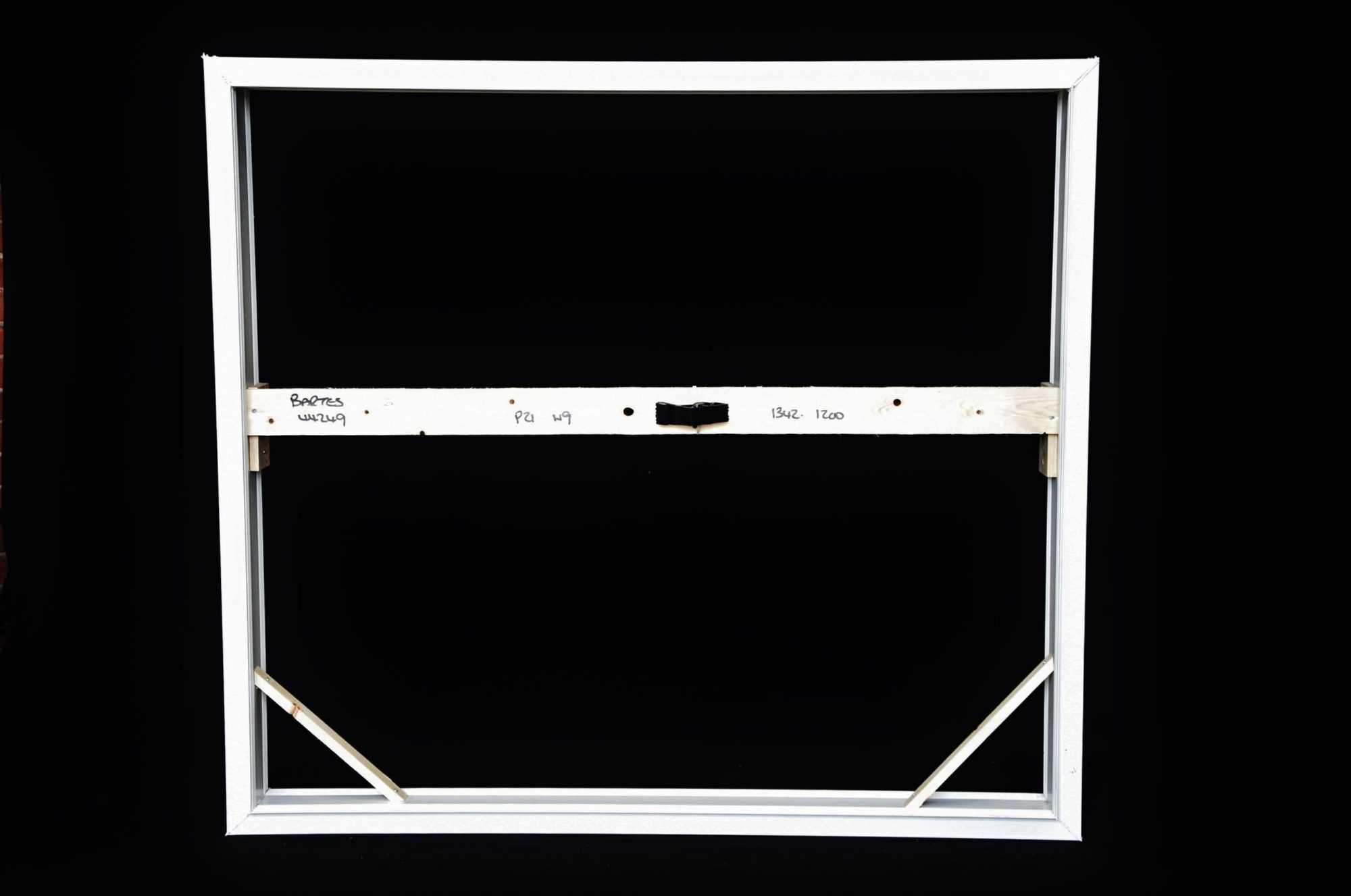
Cavity closers seal the gap around window and door openings in cavity walls. They are also referred to as window formers or frame formers depending on the region or specification. The terms are interchangeable and describe the same product.
Every opening in a cavity wall interrupts the insulation layer and creates a potential path for moisture. A cavity closer bridges that gap, providing three things that building regulations require at these junctions.
Thermal performance
Cavity closers prevent thermal bridging where the insulation is interrupted at openings. Standard BBA-certified profiles provide a minimum thermal resistance of 0.45 m²K/W, meeting Part L (Conservation of Fuel and Power) requirements. This value forms part of the junction detail calculation used in SAP assessments for energy ratings.
Moisture protection
The closer acts as a barrier that stops moisture from tracking across the cavity and into the building’s interior. This addresses Part C (Site Preparation and Resistance to Contaminants and Moisture) at window and door junctions, reducing the risk of damp and condensation within the wall build-up.
Fire safety
Where fire compartmentation is required at openings, fire-rated cavity closers restrict the spread of fire and smoke. Ratings of 30 minutes and 60 minutes are available to meet Part B (Fire Safety) requirements. Fire-rated closers are typically specified for escape routes, stairwells, party wall junctions and commercial buildings with specific fire safety obligations.
Product range
As approved fabricators for several leading manufacturers, we supply cavity closers to suit most specifications and construction types. Each brand system carries its own BBA certification and manufacturer technical backing.
Cavalok
Cavalok cavity closers from Eurocell cover the standard range from 50 mm to 300 mm. The system includes standard closers for general applications, FlameBlok fire-rated closers with a 1-hour rating, and structural door packs for entrance, French, and bi-fold door installations. Cavalok profiles are manufactured from recycled PVC-U with BBA certification across the range.
Dacatie
Dacatie cavity closers from Quantum Profile Systems are one of the longest-established cavity closer systems on the UK market. The range covers standard insulated closers across all cavity widths. For fire protection applications, the Dacasock fire sock offers additional fire resistance integrated with the cavity closer.
Kingspan
Kingspan Kooltherm cavity closers use a rigid thermoset insulation core within a uPVC extrusion. Thermal resistance values exceed the minimum Part L requirement, making them a common specification choice for projects targeting higher energy performance. Standard profiles are available from 50 mm to 150 mm, with jointing clips extending compatibility to wider cavities up to 300 mm. Kingspan Kooltherm closers are supplied as bar lengths only.
Timloc
Timloc Thermo-loc cavity closers are available in standard and fire-rated options. The system includes products with integrated ventilation for applications requiring background ventilation at the window head.
Titon vents
Titon Trimvent ventilators can be incorporated into vented head cavity closers to provide background ventilation at window openings. We supply Titon vents fitted to any cavity closer profile or as separate components for site fitting.
Trade closer
The trade closer is aimed at refurbishment and renovation projects where a straightforward, cost-effective cavity closer is needed without the full specification requirements of new build.
Sizes and configurations
We fabricate cavity closers across the full standard range of cavity widths from 50 mm to 300 mm. Common specifications for masonry construction sit between 50 mm and 150 mm. Timber frame applications typically require wider cavities, from 150 mm to 300 mm, to span the gap between the frame and external cladding.
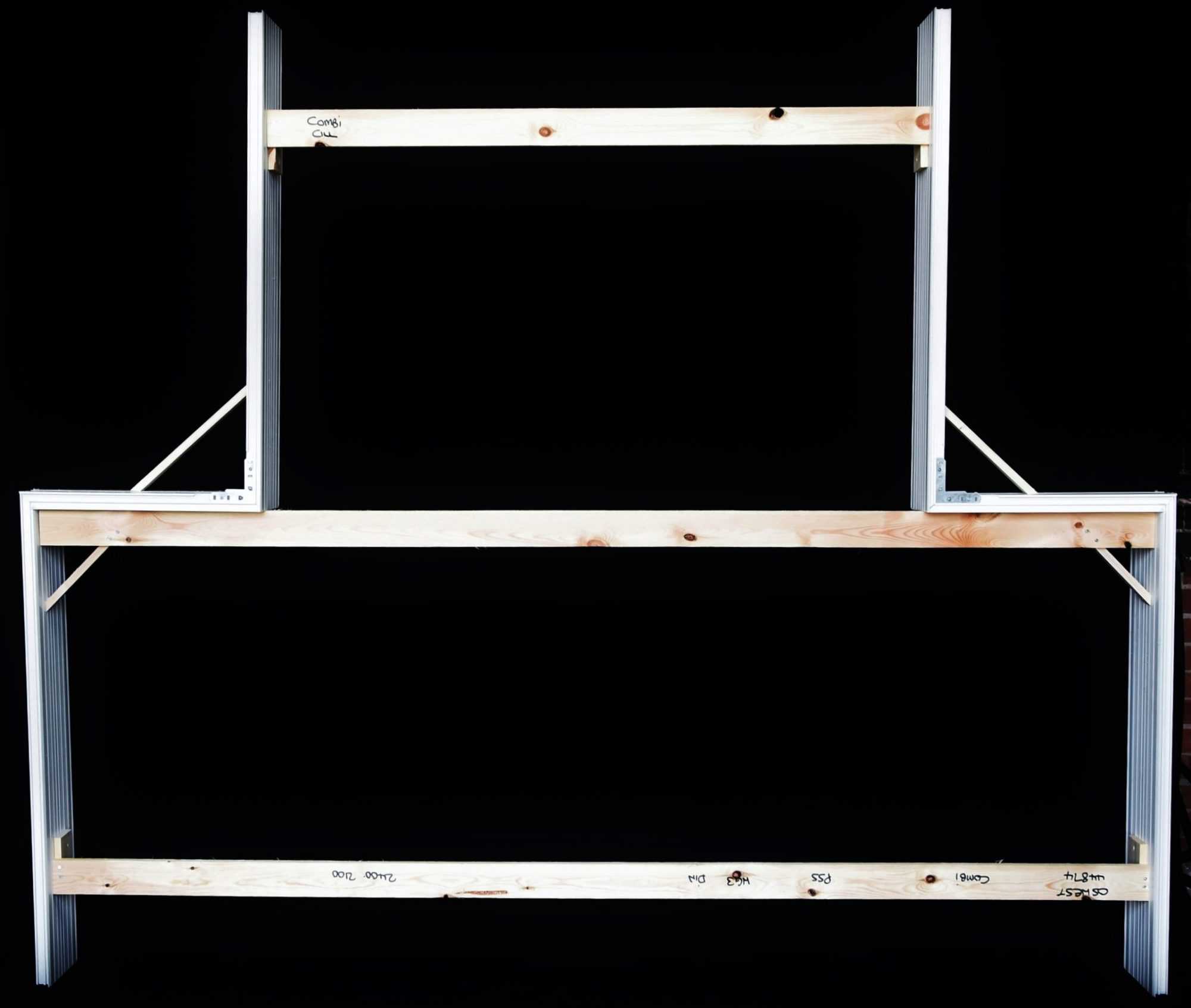
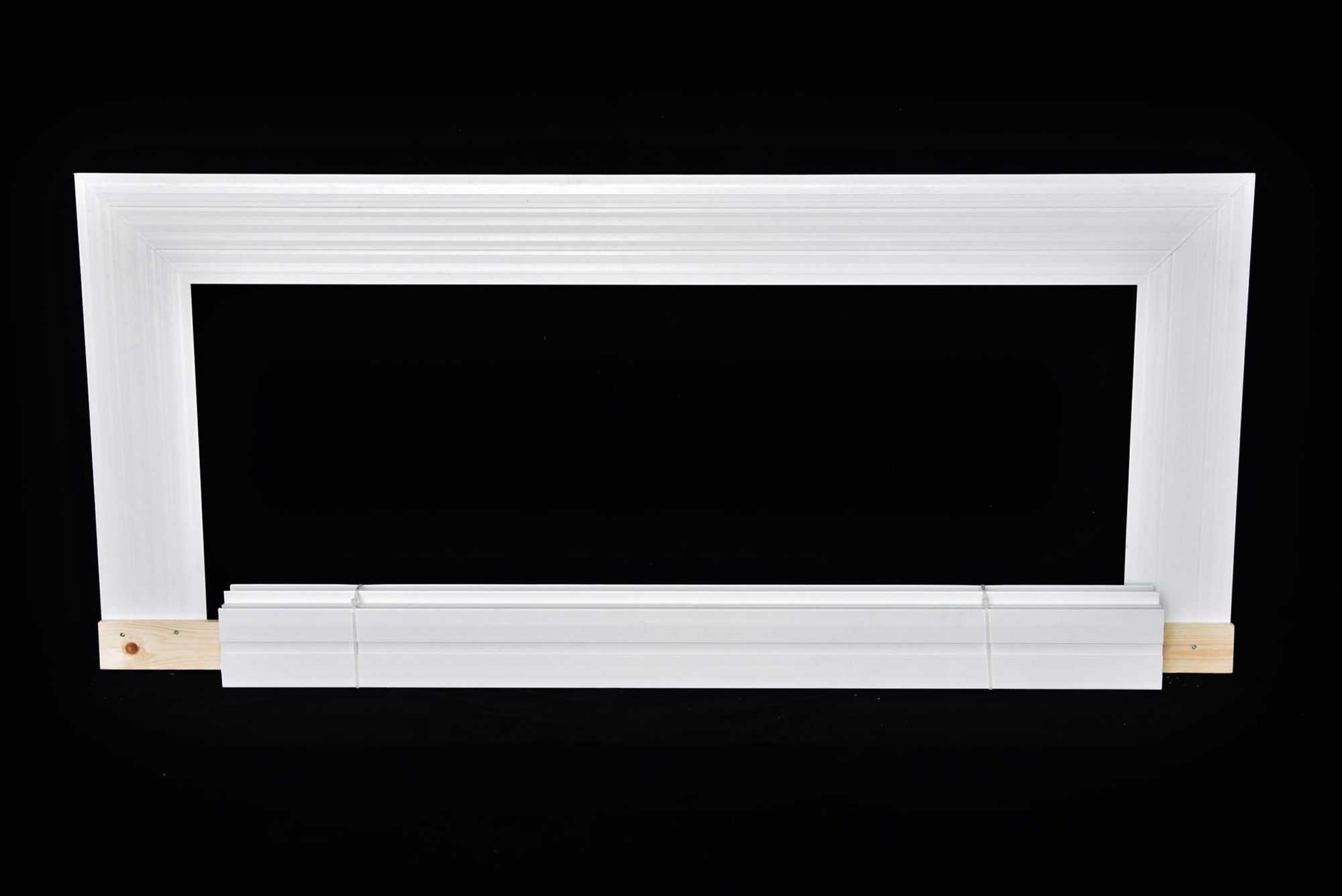
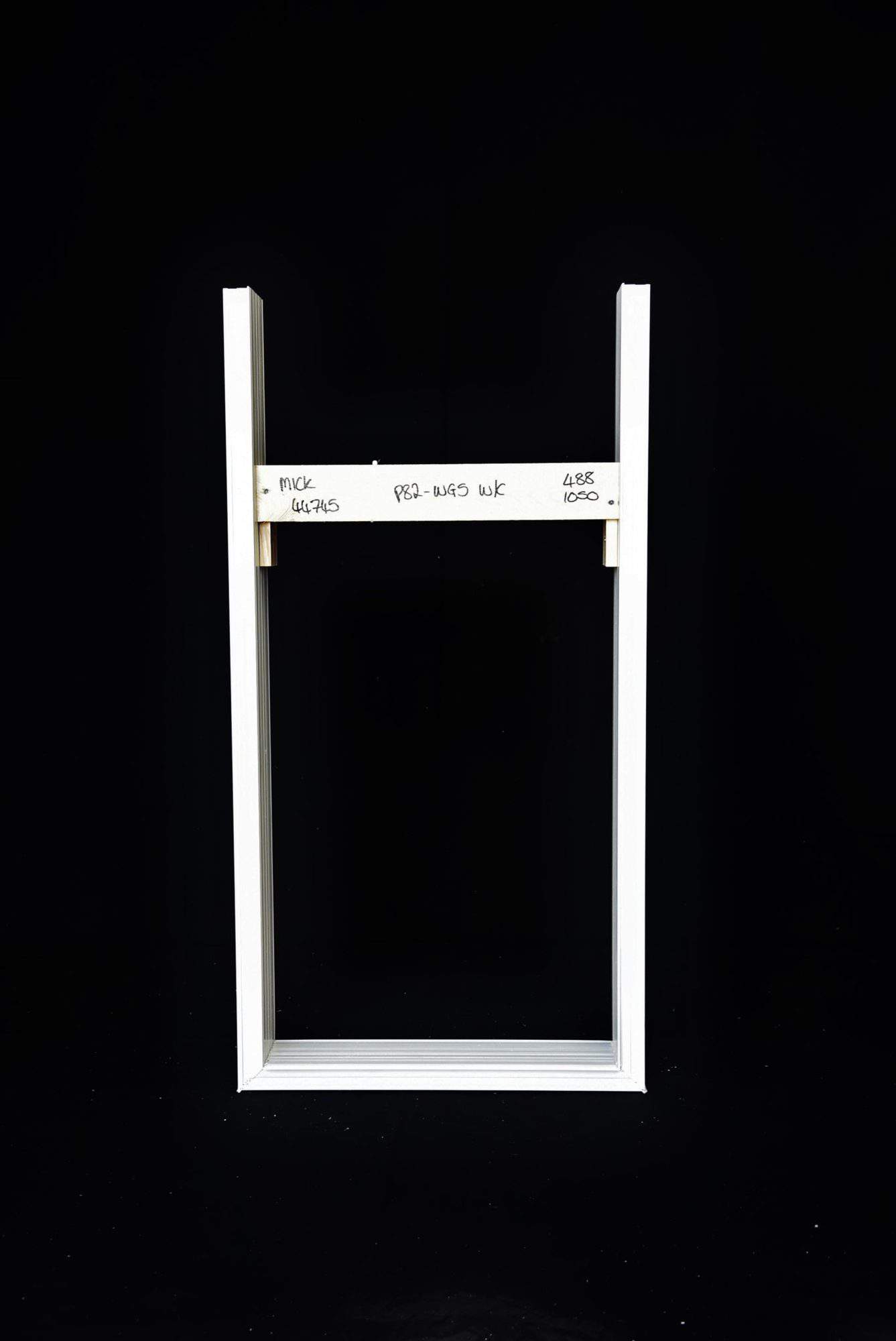
Frame configurations include 2-sided (head and sill), 3-sided (head, sill and one jamb) and 4-sided (full perimeter closure). Frames can be supplied with or without vented heads depending on the ventilation requirements of the opening.
Both welded and mechanically jointed options are available. Welded frames provide structural rigidity for standard installations. Mechanically jointed frames allow on-site adjustment where opening tolerances require flexibility during fitting.
Custom cavity closers
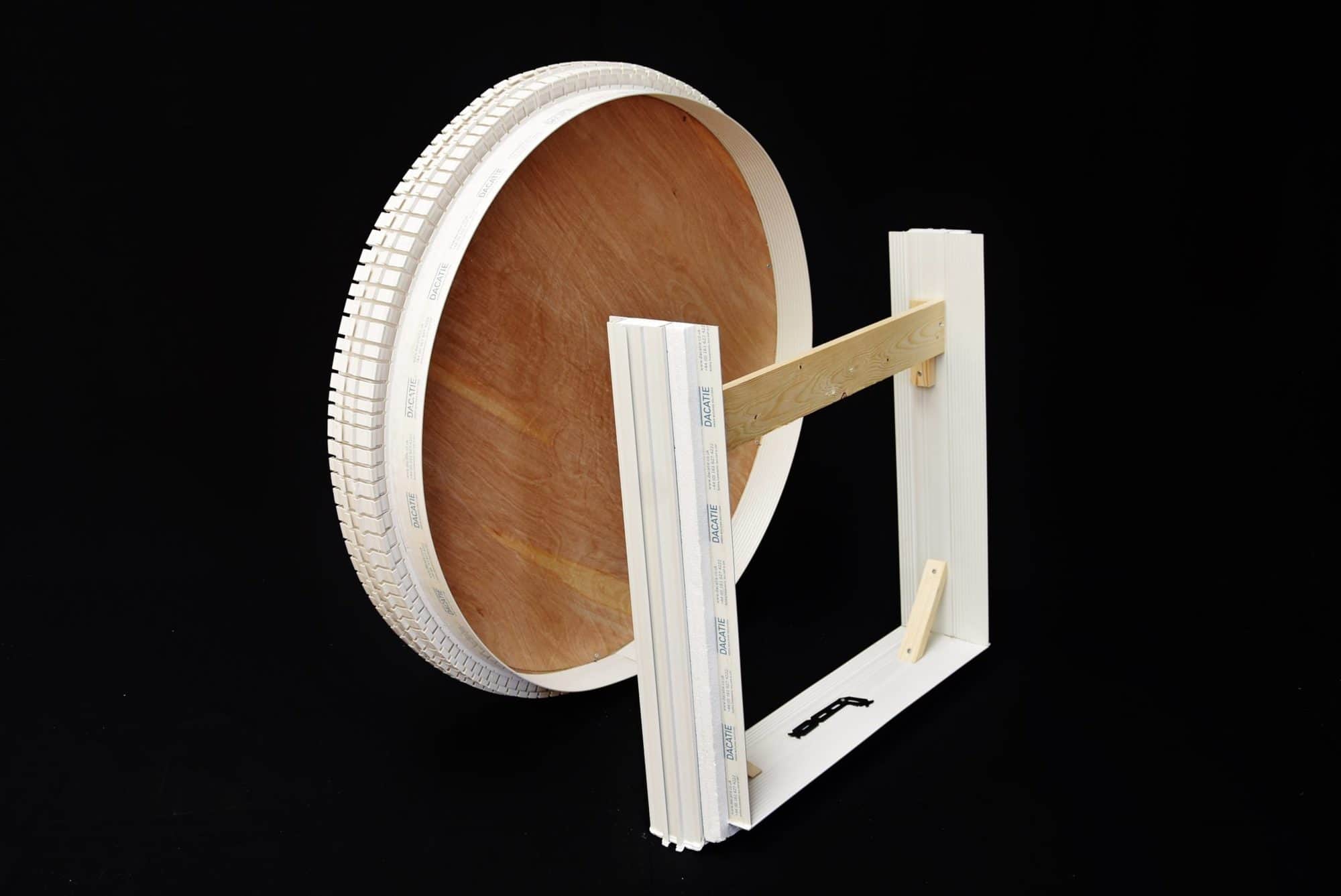
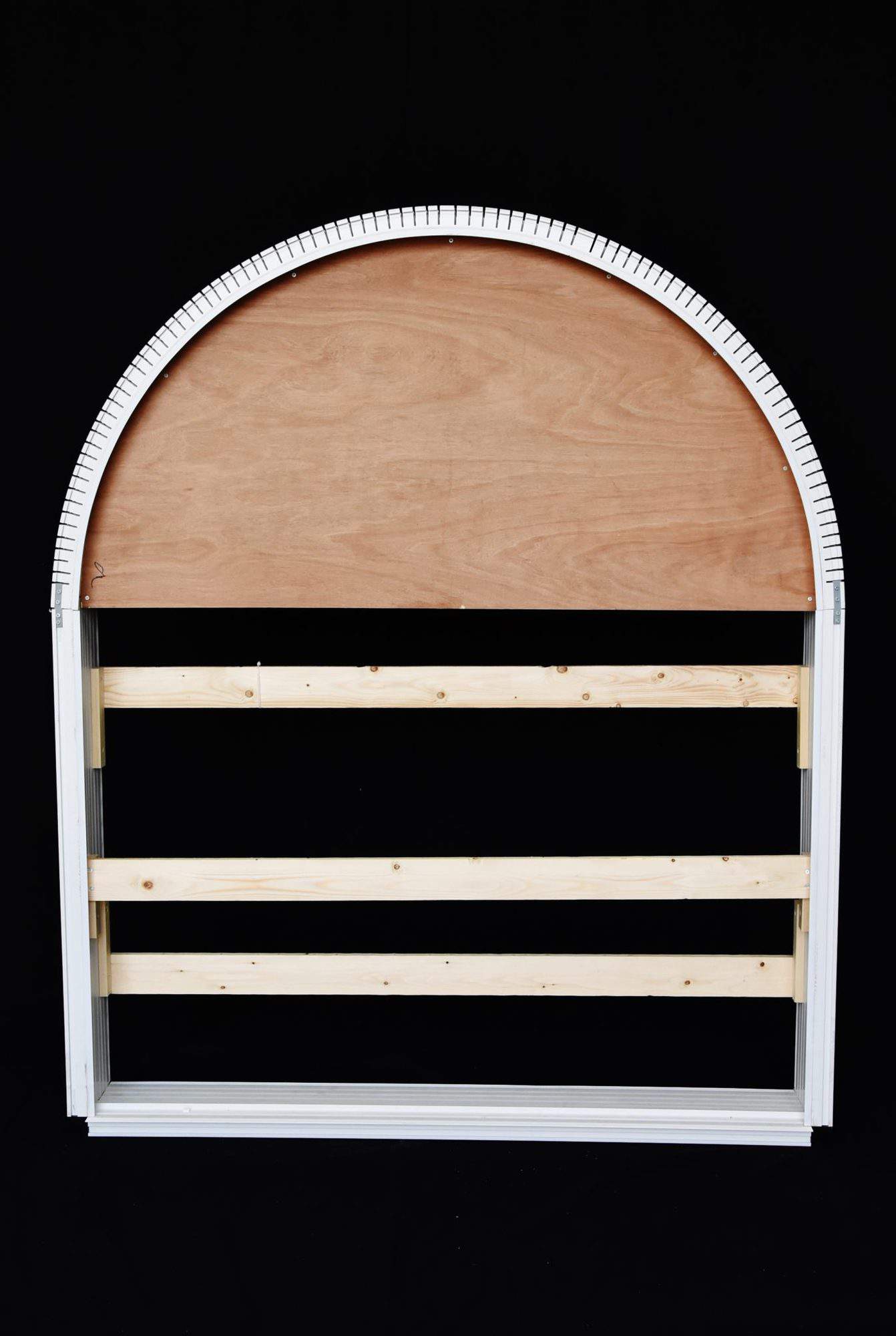
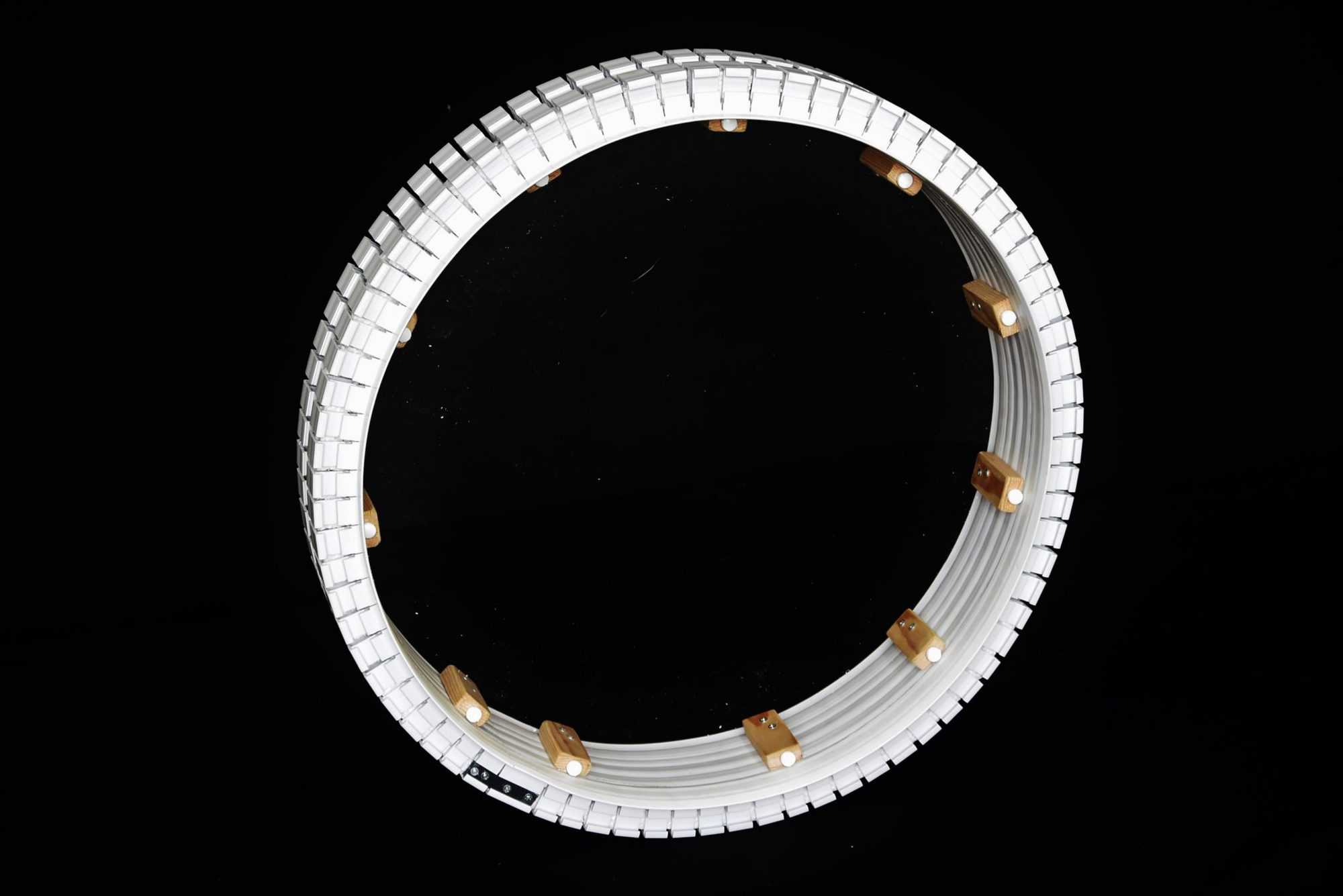
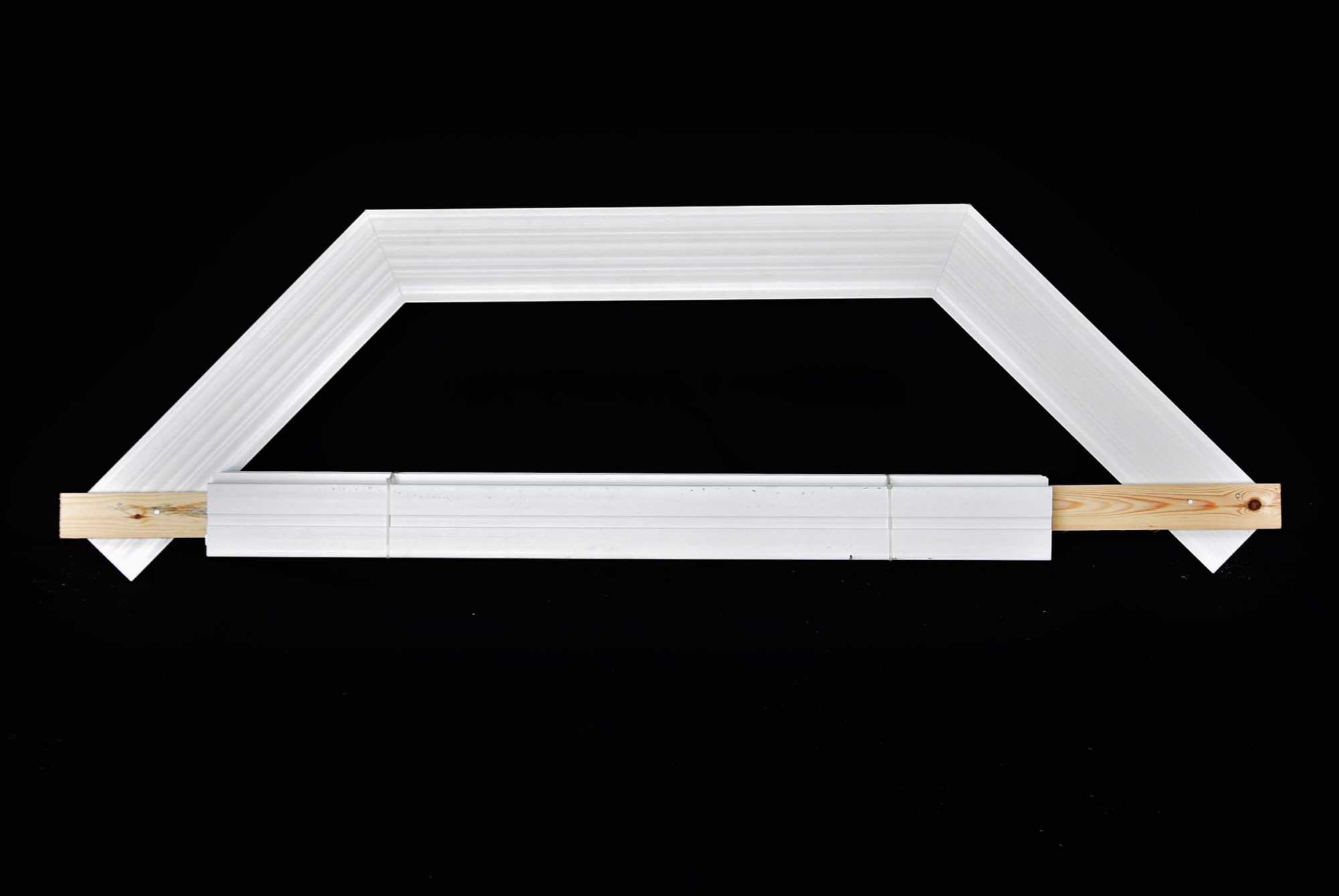
Not every opening is a standard rectangle. Our manufacturing facility fabricates cavity closers for circular, arched and oval window openings as well as non-standard shapes including mosque designs and geometric configurations manufactured to architectural drawings.
Structural door packs
Structural door packs combine cavity closure with structural support for heavier door systems including entrance doors, French doors, patio doors and bi-fold doors. The packs use Cavalok cavity closers with structural foam inserts, available in 100mm, 125mm and 150mm sizes.
The structural design allows direct fixing through the outer door frame into the closer, removing the need for strap fixings and preventing post-installation movement. Each pack contains two structural door set lengths, one standard cavity closer and 20 brick ties.
Construction applications
Cavity closers are specified across all main construction methods. The right product depends on the construction type, the cavity width, and any fire rating requirements for the project.
The most common use is for brick and block construction, which uses standard cavity widths that are usually between 50 mm and 150 mm. Most residential new builds and commercial projects using masonry construction fall into this range.
Timber frame construction often requires wider cavity closers from 150 mm up to 300 mm, to span the gap between the structural frame and external cladding. Higher thermal performance targets for timber frame builds make the junction detail at openings particularly important for SAP calculations.
Steel frame construction in commercial and industrial buildings requires cavity closure at openings with specifications to match the frame system and any fire rating requirements.
Refurbishment and renovation projects may need non-standard sizes to match existing construction. Bespoke fabrication covers these requirements where standard profiles do not fit the existing cavity width.
Installation
Cavity closers can be installed as first fix (before the wall is built up to the opening) or second fix (after the wall is constructed). Second fix installation generally achieves a more precise fit and is the more common approach on most sites.
The installation sequence follows a straightforward process:
- Measure the cavity width and select the correct profile
- Cut to length allowing approximately 10mm for movement
- Position across the cavity opening
- Fix inner and outer walls with appropriate fixings and seal all joints to prevent moisture ingress and draughts.
Installation methods vary between manufacturers and products. Subframes UK provides product-specific installation guidance and our technical team is available by phone for on-site support.
View the full installation guide
How to order
Cavity closers are quoted individually because pricing depends on the specification, cavity width, frame configuration, quantities and account terms. Many orders involve a conversation first to confirm the right product for the project.
For quotations, product information or technical support please call us on 01773 590100 or email sales@subframes-uk.com.
FAQs
What is the difference between a cavity closer and a window former?
They are the same product. Cavity closer, window former and frame former are interchangeable terms used across the construction industry. Different professions, regions, and specification documents tend to favour one term over another. We use all three because the products are identical regardless of what they are called.
What thermal resistance do cavity closers need to meet Part L?
Standard BBA-certified profiles provide a minimum thermal resistance of 0.45 m²K/W. This forms part of the path of thermal resistance calculation at junction details, not a U-value assessment. Higher thermal resistance options are available from manufacturers including Kingspan Kooltherm for projects targeting above-minimum performance or tighter SAP targets.
Are fire-rated cavity closers required on every project?
No. Fire-rated closers are specified where Part B of the Building Regulations requires fire compartmentation at openings. This typically includes escape routes, staircases, party wall junctions and buildings with specific fire risk classifications. Standard non-fire-rated closers are appropriate for most general residential and commercial applications where fire compartmentation is not required at the opening.
What sizes are available?
Standard profiles cover cavity widths from 50 mm to 300 mm. Frames are available as 2-, 3- or 4-sided configurations with or without vented heads. Non-standard sizes and shapes can be fabricated to order through our bespoke manufacturing service.
Do cavity closers need maintenance after installation?
Properly installed cavity closers require minimal ongoing maintenance. Periodic inspection to check the closer remains intact and correctly sealed is good practice, particularly after building settlement in the first year. Any damage or failed seals should be addressed promptly to maintain thermal and moisture performance.
Can Celotex or other insulation boards be used as a cavity closer?
No. Insulation boards such as Celotex are designed for thermal insulation within walls, floors and roofs. They do not provide the structural support, durability or certified compliance that purpose-built cavity closers deliver at window and door openings. Using insulation board as a substitute risks failing building control inspection and compromising thermal and moisture performance at the junction.
Quick Enquiry