Can You Retrospectively Fit Cavity Closers?
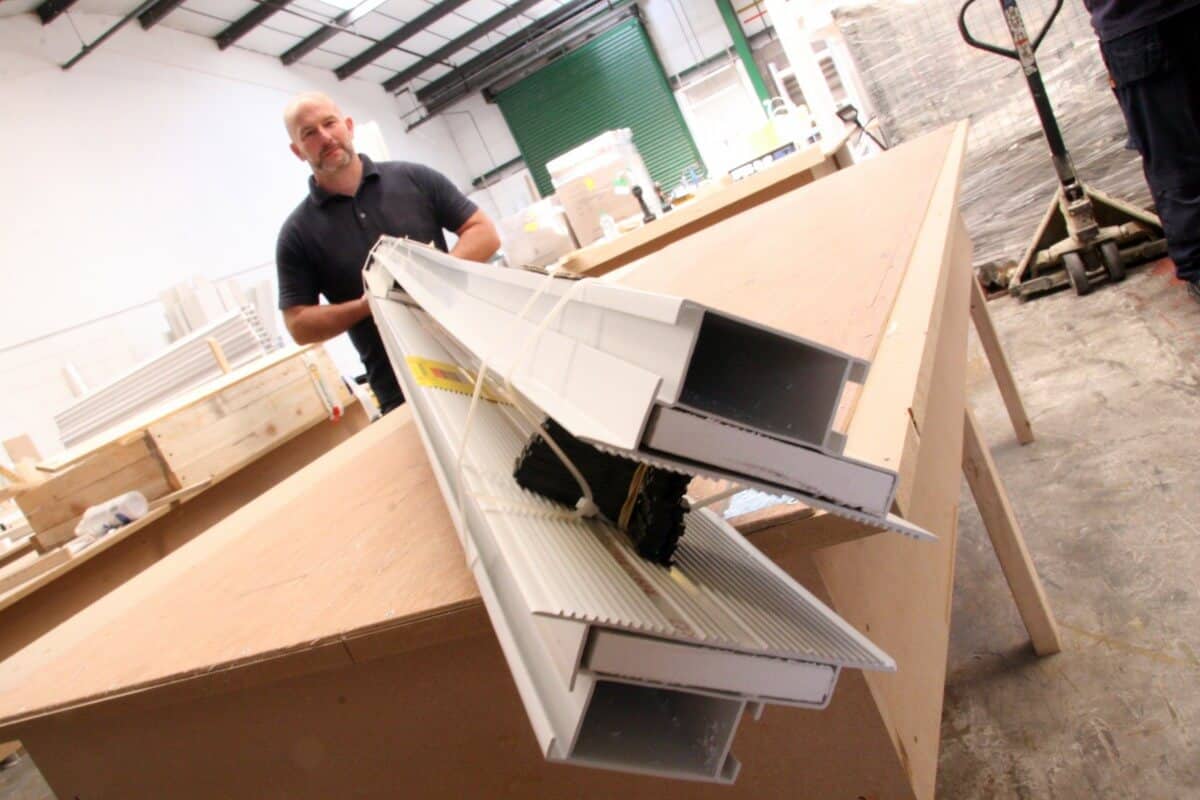
The preferred method is to fit cavity closers at the point of build. This is the only way to fully satisfy National House Building Council (NHBC) and Local Authority Building Control (LABC) requirements. Closers must be installed to the manufacturer’s specification, with brick ties securing them directly to the brick and blockwork.
However, if installation at build stage is missed, it is still possible to retrospectively fit a cavity closer. Retrofit products are available, but they cannot be fixed using brick ties in the same way. As a result, they may not offer the same level of structural support and airtightness as closers fitted during construction.
Why Cavity Closers Should Be Installed at Build Stage
Cavity closers are purpose-made components used to close off the cavity around window and door openings. As well as providing a neat and consistent reveal, they form part of the thermal envelope and help prevent damp ingress at these vulnerable points.
When installed at the time of build, a cavity closer can be mechanically fixed to the surrounding masonry using brick ties. This creates a secure connection between the inner and outer leaves, maintaining the stability of the opening and supporting the overall structure around the frame. Without brick tie fixings, the closer is only held in place by friction and/or sealants, which reduces its structural contribution and can leave the opening more vulnerable to movement, air leakage or moisture bridging.
Retrofitting Cavity Closers
Where cavity closers have been omitted during the original build, for example in remediation projects or refurbishments, there are cavity closers designed specifically to be retrofitted into the cavity.
Retrofit cavity closers, often manufactured with a rigid insulated core, are inserted into the existing cavity to restore the insulation line. These products can help improve thermal performance and offer some protection against moisture, but they do not allow for fixing back to the brickwork with ties.
Because of this, retrofitted closers are generally considered a compromise. They improve thermal continuity but cannot replicate the structural tie-back provided by closers fitted during initial construction. If you are working on a project where remediation is needed, it is important to seek technical advice to choose the most appropriate solution for the site conditions.
Speak to Our Technical Team
Subframes UK is the largest trade supplier of welded and mechanically joined cavity closers in the UK. Our technical team can advise on cavity closer options for both new build and retrofit applications. If you need guidance on the best way to insulate and seal a cavity retrospectively, contact us today for advice and product recommendations.